
Siding, Soffit & Gutters · Owensboro & Daviess County
Siding, soffit & gutter repair in Owensboro.
When siding is loose or damaged, soffit or fascia is deteriorating, or gutters are leaking or pulling away, Precision Exteriors helps Owensboro and Daviess County homeowners identify the affected materials and compare a focused repair with broader replacement.
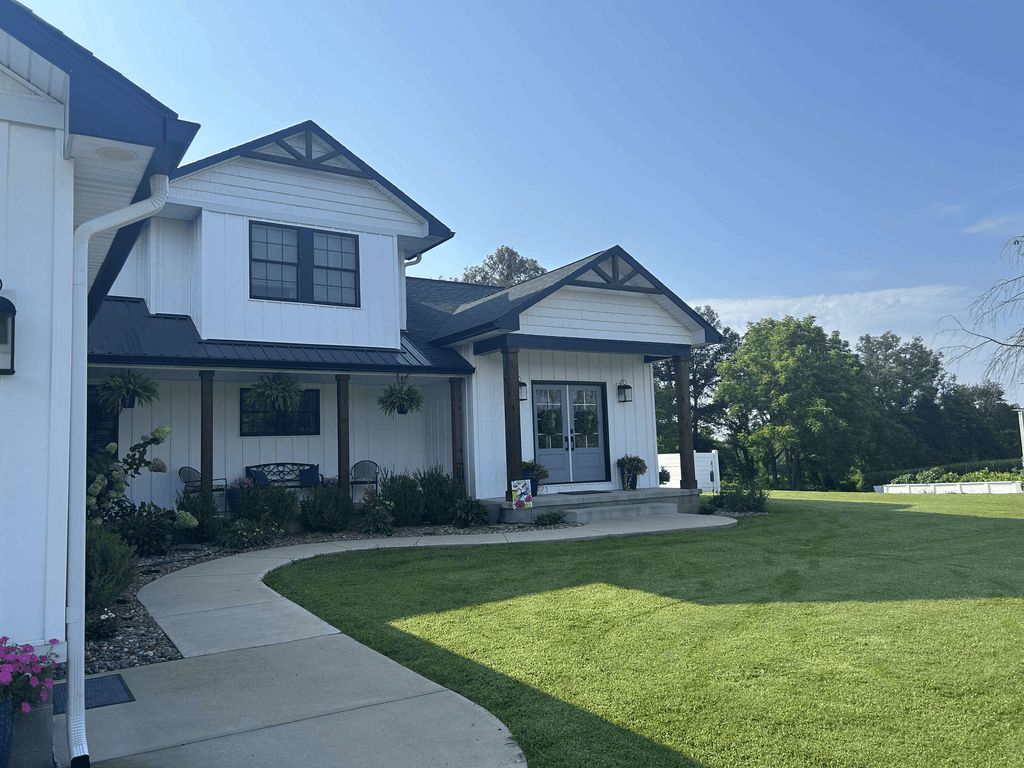
Service overview
Exterior needs we can discuss
Start with the home, the visible concern, and what you want the finished exterior or living space to do better.
- 01Siding repair and replacement
- 02Soffit, fascia and gutter repair
- 03Coordinated trim and finish details
What to consider
Signs the exterior needs attention
- Loose, cracked or visibly distorted siding
- Staining, soft areas or openings around the roofline
- Gutters that overflow, pull away or drain toward the home
- A patchwork of exterior details that no longer meet cleanly
Planning your inquiry
Look beyond a single surface
Follow the water path
Roof edges, gutters and downspouts should guide water away from vulnerable surfaces and the foundation.
Check adjoining materials
Siding, soffit, fascia, windows and trim meet at transitions where condition and finish should be considered together.
Coordinate the appearance
Color, profile and trim choices can help separate improvements read as one complete exterior.
From our work
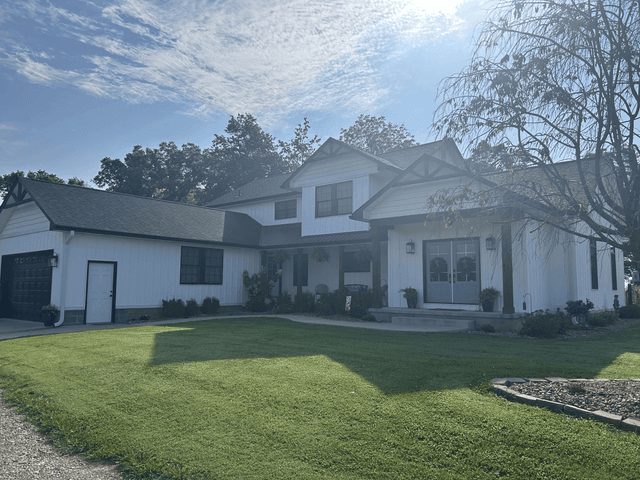
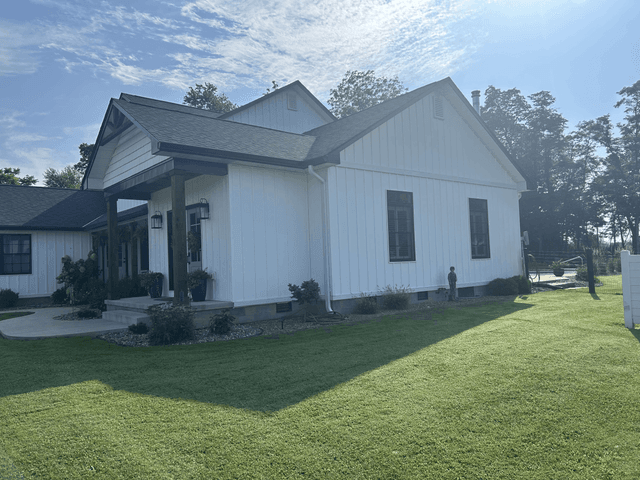
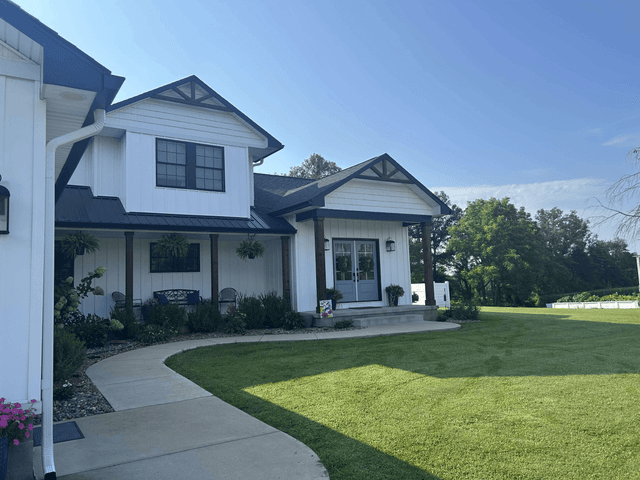
See the details in real projects.
Common questions
Clear starting points for your project.
Does faded or chalky siding need to be replaced?
Not necessarily. Dirt and surface chalking can make siding look dull, and some color change can occur as exterior finishes weather. First identify the siding material and manufacturer, then follow that product's cleaning instructions and test the method in an inconspicuous area; pressure, cleaners and paint that are acceptable for one finish can damage another or affect its warranty. If the change remains after appropriate cleaning, is severe or uneven, or appears with cracking, warping, loose panels, soft areas or moisture staining, have the siding and wall behind it evaluated before choosing cleaning, refinishing, localized repair or replacement.
Why does vinyl siding look wavy or buckled?
Vinyl siding can ripple or buckle when panels cannot move freely with temperature changes because fasteners, trim or face-nailing restrict them. Panels can also follow an uneven wall surface, and concentrated heat can distort the material. Because the appearance may involve the panel, its attachment, the surface behind it or a nearby heat or reflection source, check the affected area for loose or tight panels, changes near windows and trim, soft spots, staining and other moisture signs before deciding whether a panel repair or a broader siding and wall review is appropriate.
Can damaged siding be repaired, or does it need replacement?
A localized panel or section may be repairable when the damage is limited, compatible material is available, the surrounding siding can be separated and resecured without causing more damage, and the trim, sheathing and water-resistive layer behind it remain sound. Broader replacement is more likely worth discussing when damage affects much of a wall, panels are brittle or repeatedly coming loose, a compatible profile is unavailable, or moisture has damaged materials behind the siding. Before covering the area again, identify why it failed and inspect adjoining openings, flashing and wall transitions so a new panel does not hide an active water path.
Why do gutters overflow during heavy rain?
Overflow can be caused by leaves or other blockages, a sagging or poorly sloped gutter, limited capacity, or downspouts that cannot move runoff away fast enough. Because the same symptom can have different causes, the gutter, fascia, roof edge and discharge path should be checked together before choosing a remedy.
Can damaged soffit or fascia be repaired, or does it need replacement?
A localized section may be repairable when the surrounding material remains sound and the moisture source can be corrected. Before replacing trim, check whether gutters or downspouts are blocked or overflowing, water is running behind a loose gutter, the drip edge or roof-edge flashing is damaged or misdirecting runoff, or wind-driven rain or a roof leak is reaching the eave. Replacement is more likely worth discussing when soft, sagging, separated or deteriorated areas extend along the roofline. The roofing, drip edge, gutter, fascia and soffit should be evaluated as one water path so new material does not cover an active problem.
Where should a downspout send roof runoff?
A downspout should discharge to a stable area that carries water away from the home without creating pooling, erosion or a new path toward neighboring property or a walkway. Existing standpipes or buried drains, ground slope, foundation type, property lines and the final outlet should be identified before the route is changed. The gutter, downspout, extension and discharge area work as one drainage path.
Can damaged gutters be repaired, or should they be replaced?
A localized leak, loose hanger, damaged outlet or short section that has lost its slope may be repairable when the remaining gutter is sound and the system can still carry runoff to clear downspouts and a safe discharge point. Replacement is more likely worth discussing when corrosion, cracks, separation, sagging or storm damage affects long or multiple sections, fasteners no longer hold in sound fascia, or repeated overflow continues after blockages and the drainage path are addressed. Before choosing the scope, inspect the roof-edge flashing, fascia, pitch, hangers, seams, outlets, downspouts and final discharge together, then confirm that the proposed repair or replacement restores a continuous water path away from the home.
Ready to discuss your siding, soffit & gutters project?